
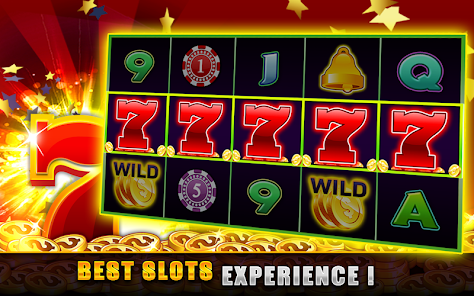
The First Impression
When you open an online casino platform, the very first few seconds define everything. The blend of sleek animations, colors that seem to shimmer with intention, and subtle sound cues that greet you—all of this builds trust before you’ve even made a single bet. I’ve noticed it myself many times; a well‑designed slot lobby feels almost alive, even if, at the end of the day, it’s just code and pixels. Platforms like Nine Casino seem to understand this well, creating an entrance that feels inviting rather than overwhelming, and that’s a delicate balance to strike.
It is fascinating how developers borrow from cinema, architecture, and even psychology to shape user emotions in this digital space. A casino’s layout isn’t purely about aesthetics—it’s about guiding attention, sustaining engagement, and turning curiosity into commitment. And sometimes, it’s the smallest detail, like the soft reflection of virtual light on a digital roulette wheel, that keeps players leaning in.
Building the Visual Atmosphere

Casino visuals often thrive on contrast. Lights against shadows, rich reds with deep blacks, symbols that look close enough to touch. Digital designers craft these spaces as if they’re composing music—each color or glow a note in a broader symphony. If it’s done right, players don’t consciously notice the design; they just feel comfortable, perhaps even enchanted without quite knowing why.
There’s also an intriguing dynamic between realism and fantasy. Modern slot design blends lush realism—like textures that resemble gold or marble—with dreamlike symbols: orbs, mythical beasts, floating crowns. This mixture keeps the brain stimulated. Total fantasy would feel childish; too much realism would grow stale fast. The middle ground feels magical.
The Role of Sound in Casino Games
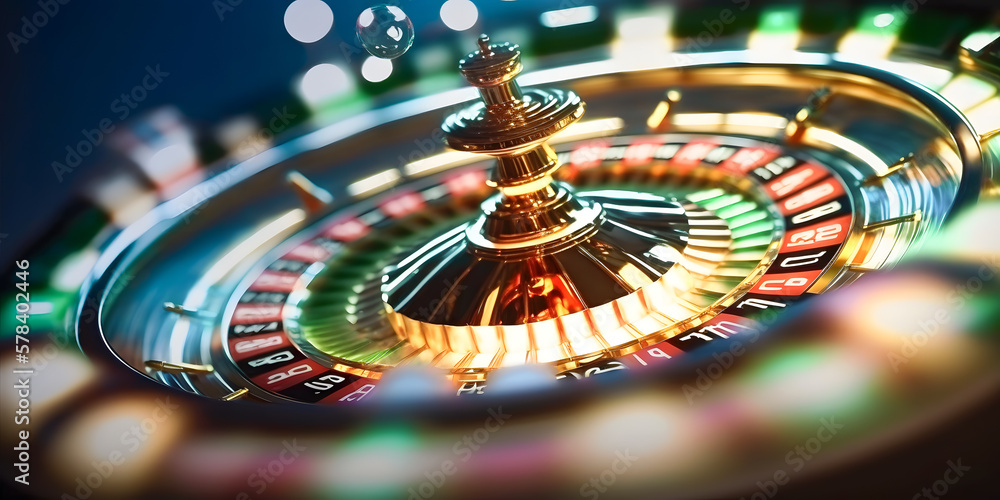
It’s impossible to talk about casino enchantment without diving into sound. Every spin, chime, and shuffle plays its part in setting the emotional rhythm. For instance, when a slot win triggers cascading bells and swelling melodies, you can feel your pulse rise even if the payout was modest. Audio here isn’t background—it’s persuasion through sensation.
I think one of the cleverest tricks is how these sound cues manipulate time. Silence builds tension; a short jingle offers payoff. Over a session, these small feedback loops keep a player looping too. It’s psychological design, yes, but not purely manipulative. There’s artistry here. Some developers even record real machines or casino floors to make digital experiences feel more authentic. When realism meets imagination, something very engaging occurs.
Immersion Beyond Screens
Modern gambling interfaces aim to erase the boundaries between player and platform. Gesture animations, tactile sound layers, and responsive designs make interactions feel organic. There’s a kind of illusion that your actions have physical weight, that you are touching the game world. Of course, one is aware of clicking buttons, but the mind often succumbs to the illusion nonetheless.
Now, let’s explore a subtle but important layer of immersion: the flow of rewards and dopamine cues. Most casino screens display bonuses in the corner, glowing or flashing just enough to tease attention. The rhythm of “almost wins” has become its own language, its own choreography. It might be easy to think designers rely purely on luck, but each icon sequence and color shift is carefully simulated to encourage anticipation.
A few steps that designers often follow show how thought‑through this enchantment can be:
- Craft a seamless aesthetic identity where every game shares a unifying tone.
- Layer animations with meaning so that visual changes reflect emotional progression rather than pure mechanics.
- Keep the interface intuitive, even under heavy visual complexity; immersion collapses when a player feels lost.
Even with these principles, not every casino manages to find the right balance. Some overdo it—drowning users in noise and motion so that the charm becomes chaos. And others stay too minimal, losing the excitement entirely. The sweet spot requires sensitivity, and sometimes, maybe even a bit of luck.
Player Journey and Emotion
For players, the journey extends well beyond visual intrigue. It involves tone, atmosphere, and pacing—each carefully merged with reward design. Think of the journey like a story arc: the rising tension of a bonus round, the suspense of a random jackpot, the quiet relief during a small win animation. Every sound and every image becomes a chapter in that personal narrative. I find myself drawn to games where those arcs feel organic, almost like theater performances rather than computer loops.
Psychologically, what captures us most deeply are contrasts. Excitement paired with calm, silence paired with bursts of delight. Some platforms even build personalized flow states. Imagine a digital assistant that slightly softens brightness after long play, or adjusts background audio as you win or lose. These micro‑designs can shape mood more effectively than flashy animations ever could. That’s where the future probably points—toward emotional intelligence in casino interfaces that recognize human variation.
And somewhere inside this entire process hides what one could call digital empathy. Games that seem to understand, or at least respect, your presence. Casinos are not yet alive, but their design sometimes pretends convincingly that they are. I once hovered over a spinning wheel, undecided, and the background hum changed tone slightly, as if it noticed. Maybe coincidence. Maybe coded psychology. Either way, it worked.
Some argue that this immersion is too powerful. Yes, it can blur awareness, but when used responsibly, enchantment can elevate the entertainment value rather than overshadow it. The trick lies in harmony: creative spectacle that’s delightful without being deceptive.
- Visual storytelling should lead engagement, not compete with it.
- Soundscapes should accompany even quiet moments to maintain subtle rhythm.
- Reward pacing must respect attention span—building satisfaction gradually, not constantly shouting for it.
It becomes clear that the best online casinos don’t just entertain through outcomes. They design feelings. Winning feels good not just because of math, but because of room tone, color glow, textured reels, and that faint echo of victory in your ears.
true
FAQ
Q: What makes casino visuals so captivating?
A: It’s the interplay of color, motion, and symbolic storytelling. Designers carefully shape every frame to evoke excitement and comfort simultaneously, which keeps players visually engaged longer.
Q: Are sounds really that important in online gambling?
A: Absolutely. The sound design creates emotional expectation. Winning tones, ambient hums, and even silence all influence how satisfied players feel—even before they check their balance.
Q: Can visuals and sounds affect responsible play?
A: They can. Over‑stimulating design may prompt impulsive behavior, but well‑balanced sensory elements encourage consistent pacing. Responsible casinos are beginning to tune their aesthetics for awareness as well as allure.
Q: How do modern platforms stand out visually?
A: Through coherent branding, dynamic animations, and integration of realism with imagination. When done right, each element cues belonging, letting players feel part of a unique universe rather than a cookie‑cutter interface.
Q: Is “enchantment” measurable in design?
A: Not exactly. It’s a perception built through hundreds of micro‑decisions—light gradients, spin timings, harmonized audio. You might not see it directly, but you feel it every second you spend inside a thoughtfully built casino world.